中文
中文 EN
EN

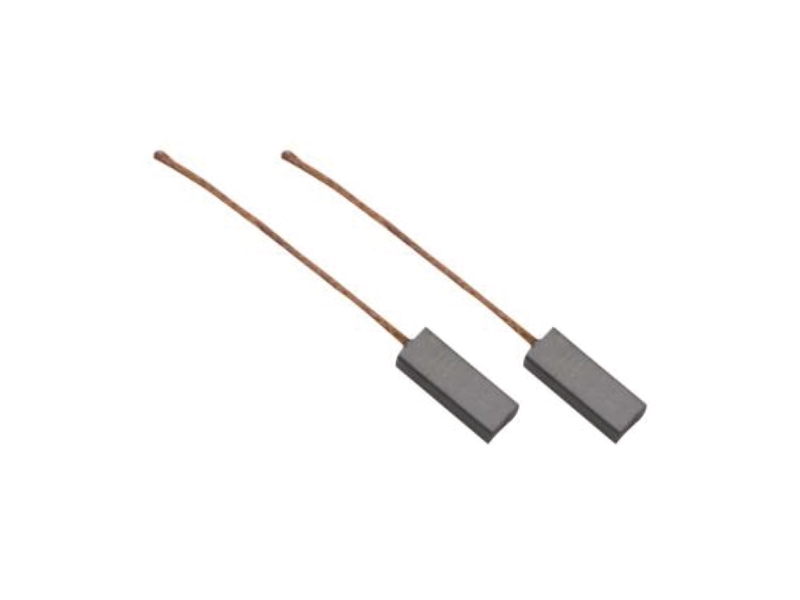
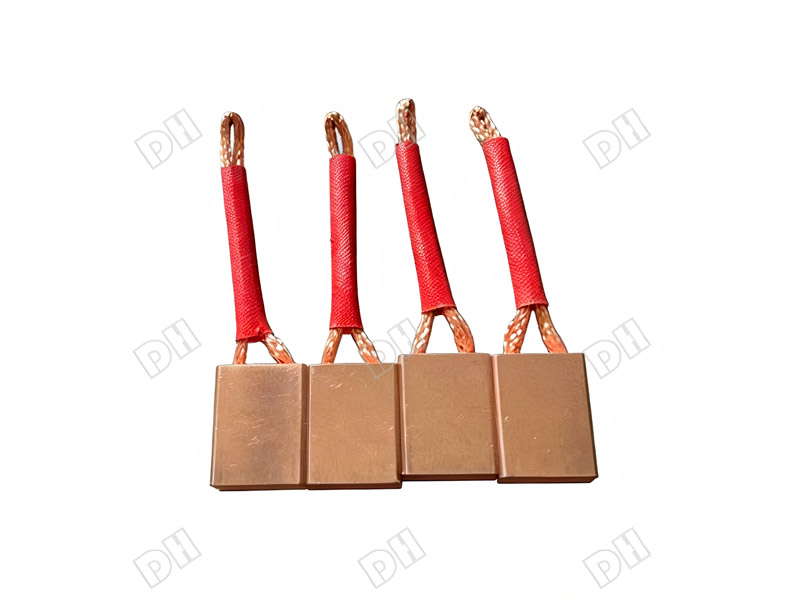
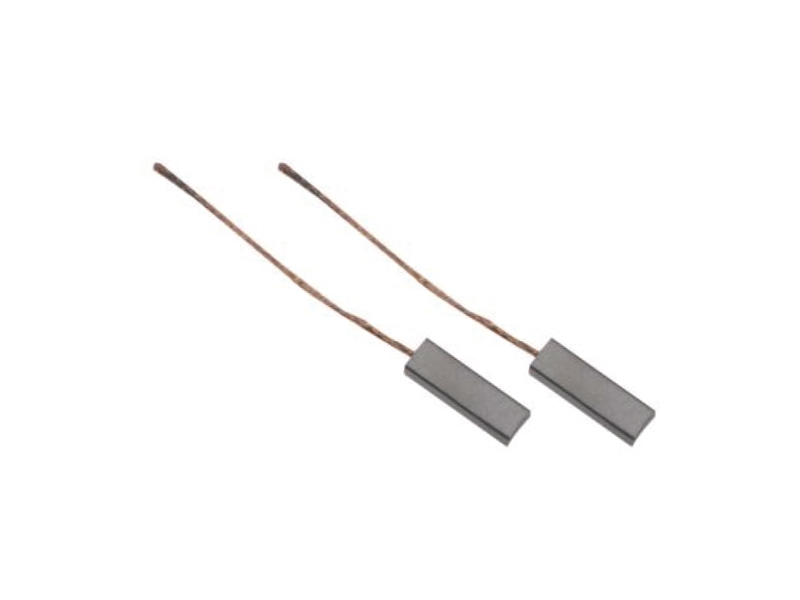
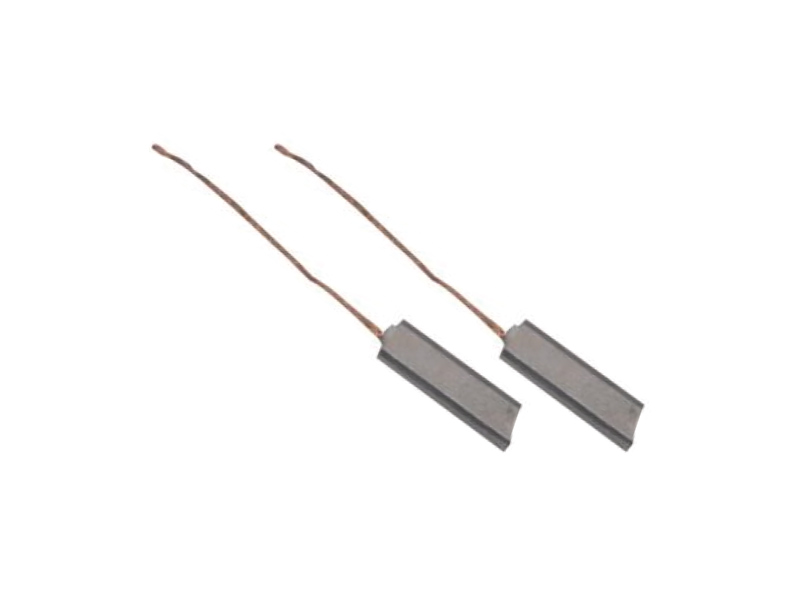
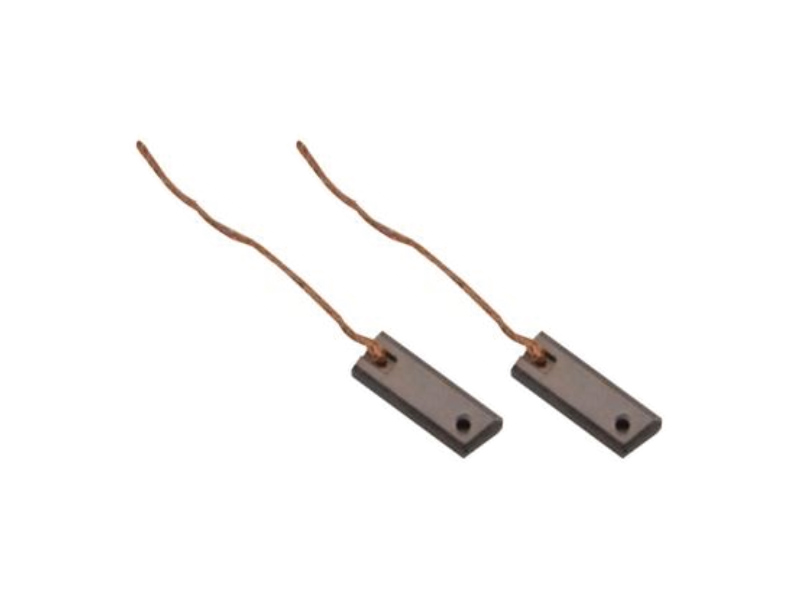
Carbon Brush, also known as Motor Carbon Brush, is a core conductive sliding component widely used in brushed motors and rotating electrical equipment. Made of high-purity graphite or composite graphite materials, it installs on motor stators and maintains stable contact with rotating commutators, realizing safe and continuous current transmission and commutation switching. As a vulnerable and essential motor part, it directly determines the operating stability, noise level and service life of electrical equipment.
Carbon brushes are mainly divided into four mainstream materials to adapt to different working conditions. Natural graphite brushes feature low noise and small sparks, ideal for light-load household appliances. Electro graphite brushes are the most universal industrial type, with excellent wear resistance and stable commutation performance for conventional AC and DC motors. Metal graphite brushes mixed with copper or silver powder boast high conductivity and high temperature resistance, suitable for high-current heavy-duty equipment. Resin-bonded carbon brushes have strong mechanical strength and vibration resistance, applicable for harsh working environments such as mining and engineering machinery.
This product has prominent core advantages. It delivers stable electrical conductivity with low resistance, effectively reducing motor energy consumption. The optimized wear-resistant formula extends service life greatly and lowers replacement frequency. In addition, it features low spark and low noise operation, effectively protecting motor commutators. All products support OEM and ODM customization with complete standard specifications, and are supplied directly by China factories with cost-effective factory and wholesale prices.
With wide industry applicability, motor carbon brushes cover full-scenario applications. They are widely used in power tools such as angle grinders, electric drills and cutting machines, automotive motors including starter and wiper motors, and industrial equipment like fans, water pumps and generators. Meanwhile, they are also essential matching parts for household appliances, wind power generation equipment and port mechanical equipment, meeting the procurement and use needs of global industrial and wholesale customers.
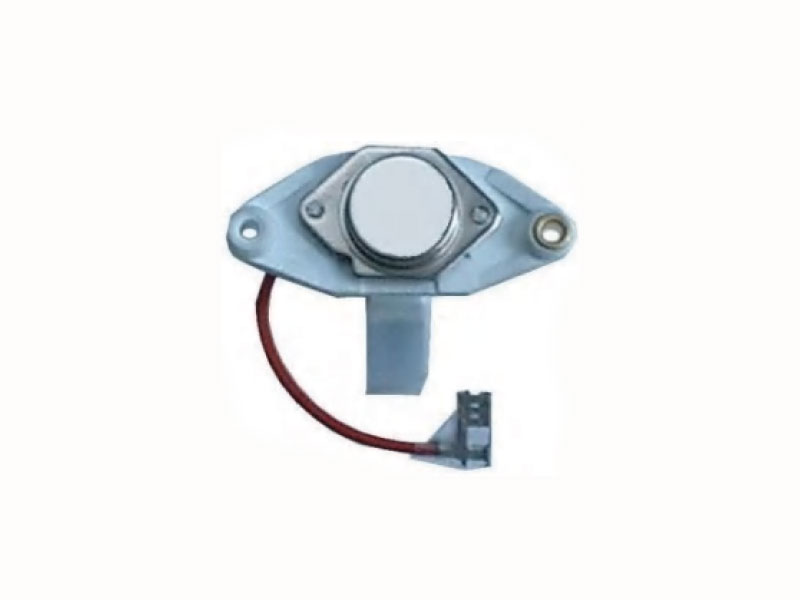
Agricultural vehicle RegulatorVoltage: 1…
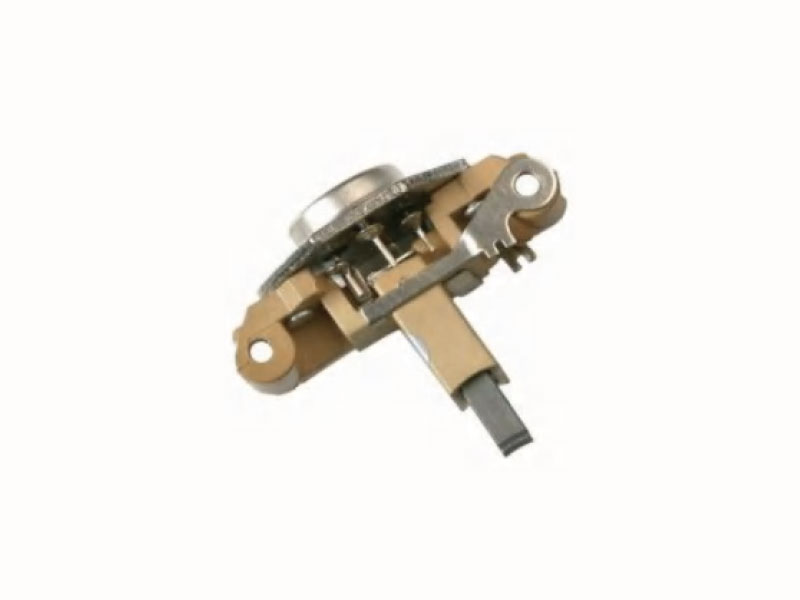
Auto RegulatorVoltage: 14.5VProduct Appl…
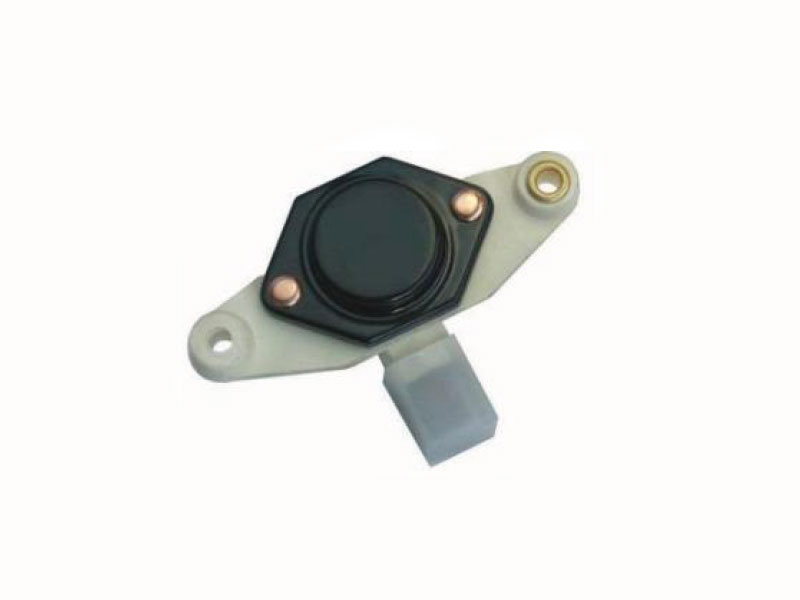
Automobile RegulatorVoltage: 14.5VProduc…
Add.:
NO.9.XIHEZHONG ROAD .CHANGOIAO VILLAGETANGXIA TOWN.RUIAN,WENZHOU ZHEJLANG
Tel:
+86188-5878-3480
E-mail:
dh@donghangtrade.com